
Greening Your Space: A Guide to Transformative Indoor Plants
4 min reading time
4 min reading time
More people than ever are discovering the magic of bringing nature indoors. Whether you're looking to purify your air, create a calming sanctuary, or simply add life to your living space, indoor plants offer a perfect solution. Beyond their visual appeal, houseplants improve air quality, reduce stress, and transform how you feel in your own home.
The key to a thriving indoor garden starts with selecting plants that match your environment. Consider your home's natural light—bright, indirect light suits pothos and snake plants, while peace lilies adapt well to lower-light corners. If you have limited space, succulents and compact varieties work beautifully on shelves or windowsills. For humid bathrooms, ferns and peace lilies flourish. Take time to assess your space before bringing plants home, and you'll set yourself up for success.
Proper care begins with understanding your plant's needs. Most houseplants prefer soil that's moist but not waterlogged—check the top inch of soil before watering. Use well-draining potting mix to prevent root rot, a common issue for beginners. Position plants where they receive appropriate light for their species, and rotate them monthly for even growth. When your plant outgrows its pot, repot it in spring using fresh soil. Watch for signs of trouble like yellowing leaves or pest damage, and address issues early with gentle pruning or natural pest solutions.
Indoor plants do more than decorate—they actively improve your wellbeing. Plants naturally filter indoor air, removing toxins and increasing oxygen levels. The act of caring for plants reduces anxiety and promotes mindfulness, while their presence has been shown to boost mood and productivity. Simply spending time near greenery lowers stress hormones and creates a sense of calm. Many plant parents report feeling more grounded and connected when surrounded by living things.
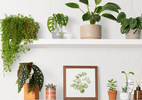
Plants are powerful design elements. Create visual interest by mixing pot sizes and textures—ceramic, terracotta, and woven planters each bring different vibes. Hang trailing plants like pothos from shelves or macramé hangers to draw the eye upward. Group plants of varying heights on plant stands or windowsills for a curated look. Use plants to soften corners, frame doorways, or create a living wall. The right plant in the right spot becomes both functional decor and a conversation starter.
New to plant parenting? Start with forgiving varieties that tolerate neglect. Snake plants are nearly indestructible and thrive on minimal water. Pothos grows quickly and adapts to various light conditions. ZZ plants handle low light and irregular watering. Succulents store water in their leaves, making them perfect for forgetful waterers. Rubber plants add drama with minimal fuss. These plants build your confidence and prove that you can keep things alive—a great foundation before moving to more demanding varieties.
One of the most rewarding aspects of plant ownership is propagation. Many popular houseplants are easy to multiply. Pothos and philodendrons propagate from stem cuttings placed in water until roots develop, then transfer to soil. Snake plants can be divided at the roots or propagated from leaf cuttings. Succulents often drop leaves that root on their own in soil. Start with a single cutting in a small jar of water, change the water weekly, and watch roots emerge in weeks. Once rooted, pot them up and share with friends—it's a gift that keeps growing.
Plant needs shift with the seasons. In spring and summer, most plants enter active growth and need more frequent watering and feeding. Increase humidity during dry winter months by misting or grouping plants together. Reduce watering in fall and winter when growth slows—overwatering is the leading cause of winter plant death. Move plants away from cold drafts and heating vents. Spring is ideal for repotting and pruning. By tuning into seasonal rhythms, you'll keep your plants healthy year-round.
Plant lovers often share similar stories—a single plant purchased on impulse becomes a collection that fills an entire room. One reader transformed a dark apartment into a jungle oasis, discovering that caring for plants gave her daily purpose and connection. Another found that tending to plants during stressful work periods provided grounding and perspective. These aren't just decorative additions; they're living companions that change how people experience their homes and themselves.
Your plant journey starts with a single leaf. Whether you're drawn to the aesthetic, the wellness benefits, or simply the joy of nurturing something living, there's a plant waiting for you. Start small, learn as you grow, and don't hesitate to experiment. Share your successes—and even your plant mishaps—in the comments below. We'd love to hear about your indoor garden and help you troubleshoot any questions along the way.